
buy insulated glass
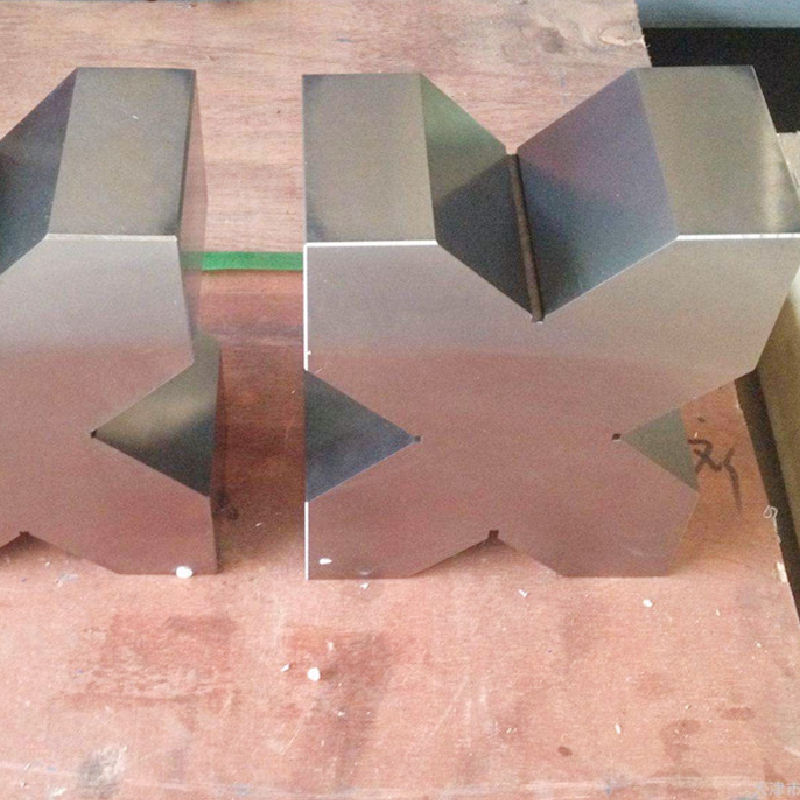
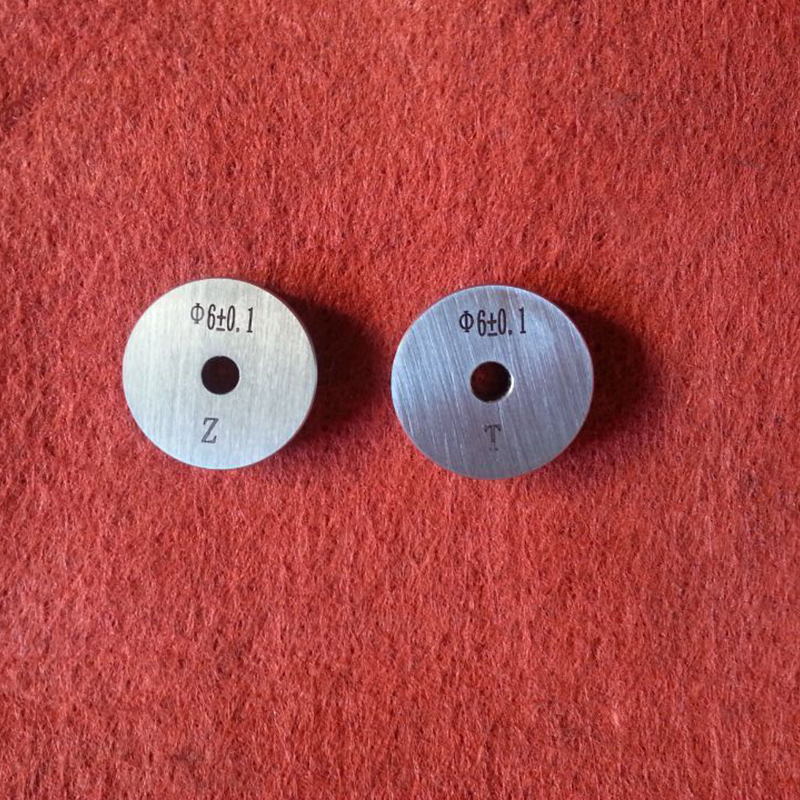
Understanding Standard Bore Gauges Precision Tools for Measurement In industries ranging from aerospace to automotive, accurate measurement is crucial for maintaining quality standards and ensuring the proper function of components. One essential tool that facilitates precise measurement is the standard bore gauge. This specialized instrument is designed to measure the internal diameters of holes, pipes, and other cylindrical objects, providing invaluable data for engineers and quality control specialists. What is a Standard Bore Gauge? A standard bore gauge, often referred to as a bore micrometer or internal diameter gauge, consists of a cylindrical frame equipped with electronic or analog measuring capabilities. The design typically features a set of interchangeable measuring probes or tips that are inserted into the bore to take measurements. By expanding or contracting the gauge, users can achieve a tight fit within the bore, allowing for accurate reading of the internal diameter. This tool is essential for instances where measuring an external diameter using traditional calipers or micrometers is not feasible. Bore gauges facilitate the measurement of parts like engine cylinders, hydraulic tubes, and bearing housings, where access may be restricted and precision is paramount. Types of Bore Gauges Bore gauges come in various designs—each tailored for specific applications. The most common types include 1. Dial Bore Gauges These feature a dial indicator that provides a visual reading of the diameter. The gauge is inserted into the bore, and as it expands to touch the inner walls, the dial indicates the exact diameter measurement. This type is user-friendly and highly accurate, suitable for general applications. 2. Digital Bore Gauges These advanced models feature digital displays that provide quick and easy readings. Digital bore gauges often have additional features like data storage and interfaces to connect to computers for tracking measurements over time, making them ideal for modern manufacturing environments. 3. Tapered Bore Gauges Designed specifically for measuring tapered holes, these gauges ensure that the correct measurement is taken at specific points along the length of the taper, allowing for accurate assessments of non-standard geometries. standard bore gage 4. Gauge Blocks While not a traditional bore gauge, gauge blocks are sometimes used alongside bore gauges to provide a standard reference for calibration. They ensure that the bore gauge provides reliable measurements by checking the gauge against known standards. Advantages of Using Standard Bore Gauges The use of standard bore gauges offers several advantages - Precision Bore gauges are known for their high level of accuracy, which is crucial in quality control processes. They are capable of measuring tolerances down to microns, ensuring that parts meet exact specifications. - Versatility With various probe sizes and shapes, bore gauges can measure a wide range of internal diameters, making them an adaptable solution for numerous applications across different industries. - Ease of Use Modern bore gauges, especially digital models, are designed for user-friendly operation. Many come equipped with features that simplify the measurement process, such as automatic calibration and easy-to-read displays. - Durability Built with robust materials, bore gauges can withstand the wear and tear of industrial environments, ensuring they deliver reliable performance over time. Conclusion In conclusion, standard bore gauges play a pivotal role in ensuring the quality and precision of internal measurements in a wide array of industries. Their ability to provide accurate and reliable data makes them indispensable tools for engineers and quality control professionals. As technology continues to evolve, we can expect further advancements in bore gauge design, leading to even greater ease of use and accuracy. Emphasizing the importance of measurement tools like the standard bore gauge underscores the commitment to quality and excellence in manufacturing processes. Proper training in the use of these tools will ensure that the intended benefits are fully realized, contributing to superior product performance and reliability.
about
buy insulated glass
Measuring Tools in Metal Work Essential Instruments for Precision In the world of metalworking, precision and accuracy are paramount. Whether it's crafting intricate components for machinery or fabricating custom parts for artistic projects, the measurements taken during the production process can significantly impact the final outcome. To achieve the desired level of quality, metalworkers rely on an array of measuring tools specifically designed for the trade. Understanding these tools and their applications is crucial for anyone involved in metalwork. 1. Calipers Versatility in Measurement Calipers are one of the most versatile measuring tools used in metalworking. Available in various forms—such as vernier calipers, digital calipers, and dial calipers—they allow metalworkers to measure the internal and external dimensions of a workpiece, as well as depths. The precision of calipers can range from 0.01mm to 0.001mm, making them invaluable for tasks requiring high accuracy. Digital calipers, in particular, have gained popularity due to their ease of use and clear digital displays, eliminating the need for manual reading and minimizing errors. 2. Micrometers For Extreme Precision When it comes to achieving even greater accuracy, micrometers are the tool of choice. These instruments are designed primarily for measuring small dimensions with remarkable precision—typically up to 0.001mm. The most common types include outside micrometers, inside micrometers, and depth micrometers, each serving a specific purpose in the measurement process. Outside micrometers measure the thickness or diameter of an object, whereas inside micrometers gauge the internal dimensions. Depth micrometers, on the other hand, are ideal for measuring hole depths or recesses. Given their sensitivity and accuracy, micrometers are essential for high-precision metalworking tasks. 3. Tape Measures Quick and Efficient Measurements Tape measures are perhaps the most recognizable measuring tool and are widely used in metalwork for quick and efficient measurements over longer distances. Industrial-grade tape measures are typically made from durable materials that can withstand rough handling and environmental wear. When measuring larger workpieces, a good-quality tape measure becomes indispensable, allowing metalworkers to quickly assess lengths, widths, and other dimensions without fuss. measuring tools in metal work 4. Squares Ensuring Right Angles Achieving precise angles is critical in metal fabrication, and layout squares (or framing squares) play an important role in ensuring components are cut at the correct angles. These tools come in various sizes, and many are made of heavy steel for stability. Metalworkers use squares not only for checking right angles but also for laying out lines on metal surfaces, making them essential for creating straight cuts and accurate assemblies. 5. Levels Maintaining Alignment In addition to measuring lengths and angles, maintaining alignment is crucial in metalwork. Levels, including spirit levels and laser levels, help workers ensure their setups are perfectly aligned. Whether during the assembly of structures or the calibration of machines, levels provide a necessary check, allowing metalworkers to align components correctly before securing them. 6. Protractors Measuring Angles Accurately For projects that require the measurement of angles, protractors are indispensable. These tools allow metalworkers to precisely measure and layout angles on materials. Modern protractors may also include digital displays for easy reading, which can dramatically reduce the chances of error during the measurement process. Conclusion In conclusion, the importance of precise measurements in metalworking cannot be overstated. The right measuring tools not only enhance the quality of the final product but also improve efficiency and reduce material waste. By incorporating a range of measuring instruments—calipers, micrometers, tape measures, squares, levels, and protractors—metalworkers can achieve the high standards required in today’s demanding manufacturing environments. Embracing these tools will undoubtedly elevate one's proficiency in metalworking, leading to more successful and satisfying results.
-

High quality industrial productsagement

High quality industrial products
View Details -

Meet the diverse needs of customers

Meet the diverse needs of customers
View Details -

Strict quality control

Strict quality control
View Details -

Top raw materials

Top raw materials
View Details -

Trusted supplier

Trusted supplier
View Details
Our application


news and information
Varieties of ball valves and their unique characteristics in valve industry trends
Ball valves are an essential component in various industries, including oil and gas, water treatment
Wooden Villa House Truss Repair Using Nail Plates for Enhanced Structural Integrity
Understanding Truss Mending Nail Plates for Wooden Villas In the construction of wooden villas, stru
Y Type Strainer Compatibility with Corrosive Fluids
In industrial fluid systems where corrosive media like acids, alkalis, or saline solutions flow, mai
 English